

Animal disease is one of the constraints of livestock productivity which is directly reflected to the livelihood of Ethiopian farmers. Diseases of various origins (parasites, bacterial, viral,fungal, and other non-infectious agents) are prevailing in Ethiopia responsible for poor production and productivity of livestock. Several diseases prevalent in Ethiopia are notifiable influencing international trade and movement of animals, animal products and by-products. Among the epidemic diseases Renderpest is under control and eradicated after decades of vaccination and monitoring. Many others are still not controlled, and are causing devastating effect both to producers and to the national economy.
Ethiopian veterinary education is currently expanding and at developing stage. The government considered the profession is critical that need to be nurtured in a standard curriculum that fulfills both internal and external quality assurance to meet domestic needs (establishing a reliable and high-quality veterinary education) and for the consequent global implications: permitting Ethiopia to reliably monitor and control animal diseases and thus become a trustworthy exporter of animal and animal products.
Accordingly, many proclamations regarding the animal health services, export of animal (products) were and are introduced enabling improved productivity and safe guard the public from diseases of animal origin (Proclamation No. 4/1995; Proclamation No. 267/2002; Council of Ministers Regulation preamble, 2002). A functioning system of animal health control and care organized at universities, regional clinics, and federal authority, is clearly of major economic importance, especially in relation to international trade requirements. So, the country needs to have competency based Veterinary Laboratory Technology education produce a graduate with sound knowledge, skill and attitude.
Veterinary Laboratory Technology department was established in Injibara University in 2022. Veterinary Laboratory Technology Department was started with 3 given academic staff for 15 regular students in the same year. In 2022 all staffs were actively engaged in Injibara University academic affairs, community service (more than 3), research projects (more 13 published papers, more than 3 ongoing). Nowadays, veterinary Laboratory Technology department has three staffs that provide 30 regular undergraduate students and facilitate regular undergraduate program.
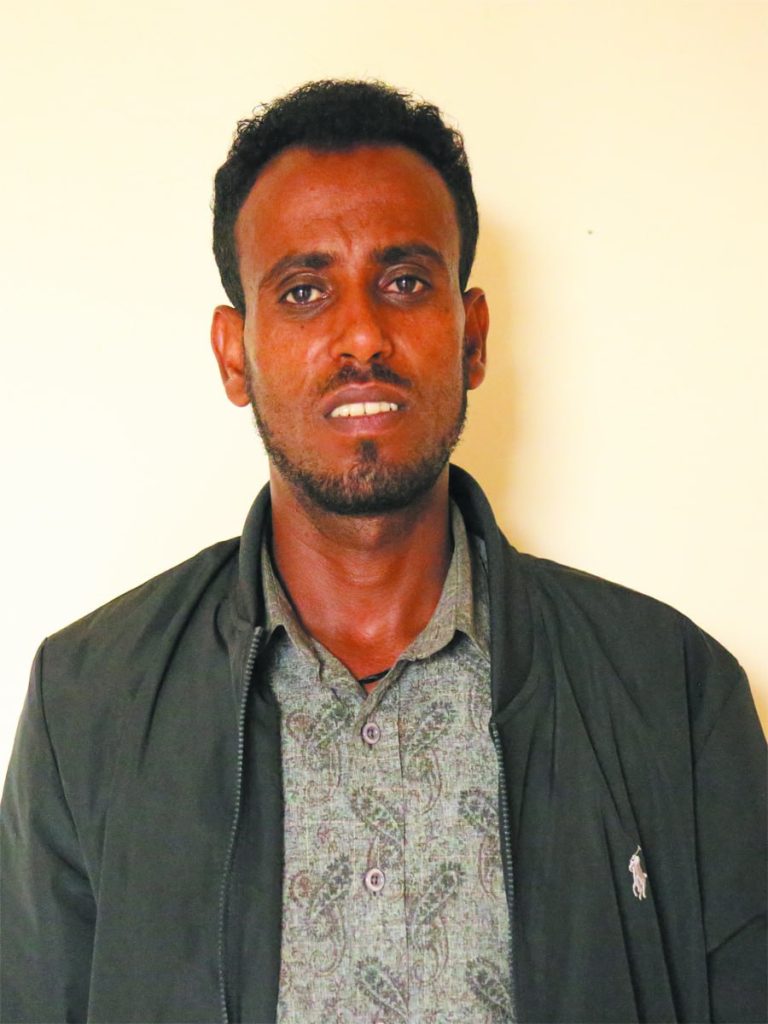
Habtamu Addis (PhD)
Head
Tel: +251-921-28-11-24
Email: habtamuaddis@inu.edu.et /habtamuaddis11@gmail.com